Understanding Image to Image AI in Digital Art
As the world of digital art continues to evolve, one remarkable technology is gaining significant traction: image to image ai. This innovative approach harnesses the power of artificial intelligence to transform static images into dynamic, creative outputs. Artists and graphic designers are increasingly exploring this technology, which allows for the enhancement and reimagining of existing artwork. Understanding the implications and applications of image to image AI is crucial for anyone serious about modern digital creativity.
What is Image to Image AI?
Image to image AI refers to a specific subset of artificial intelligence algorithms that enable the transformation and manipulation of images based on user input. This technology analyzes an input image and generates a new image that can either enhance the original or transform it into a different style or format. Through neural networks, image to image AI can replicate artistic styles, integrate elements from multiple images, and generate completely novel artworks.
The Technology Behind Image to Image AI
The backbone of image to image AI is typically a convolutional neural network (CNN). These networks are trained on vast datasets of images, allowing them to learn patterns, styles, and features that can be replicated in new creations. For instance, Generative Adversarial Networks (GANs) are often employed where two neural networks are pitted against each other; one generates images while the other evaluates them, refining the output until the results are indistinguishable from actual artistry.
Key Benefits for Graphic Designers
- Efficiency: Image to image AI can significantly reduce the time spent on repetitive tasks such as background removal or style transfer, allowing artists to focus on the more creative aspects of their work.
- Enhanced Creativity: By providing unique interpretations and styles, this technology can push the boundaries of creativity, opening new avenues for artistic exploration.
- Accessibility: With user-friendly interfaces, even those with minimal technical skills can leverage image to image AI tools, democratizing art creation.
Applications of Image to Image AI in Creativity
Enhancing Artwork with Image to Image AI
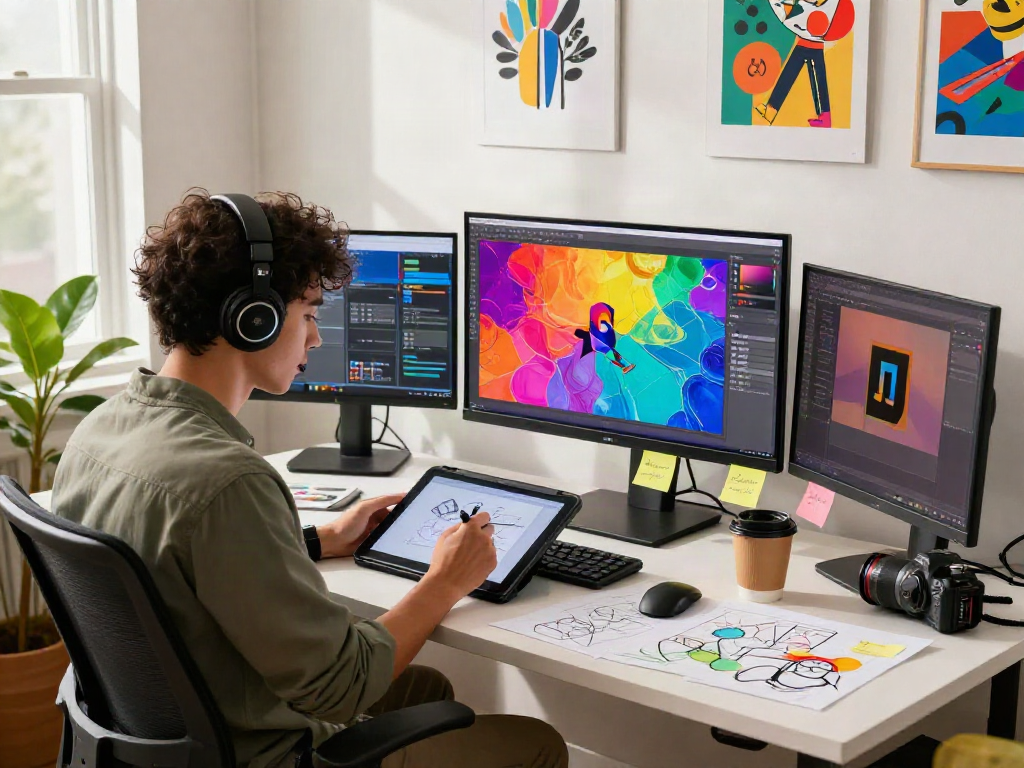
Artists are using image to image AI to enhance their existing works or to create entirely new ones. For instance, an artist might input a rough sketch and utilize AI to render it in various styles, examining how different techniques change the overall feel of the piece. This capability not only enriches artistic expression but also aids in the iterative design process, presenting artists with multiple paths to explore their vision.
Case Studies of Successful Implementation
Several notable projects showcase the power of image to image AI in creative fields. A famous case is the work of a contemporary visual artist who successfully integrated AI into their portfolio by generating digital murals based on audience input. This interactive element not only engaged viewers but also allowed the artist to collaborate with artificial intelligence, celebrating the fusion of technology and human creativity.
Impact on the Design Workflow
By incorporating image to image AI into their workflow, designers can optimize their processes. For example, they can automate initial drafts and concept explorations, allowing for a more streamlined approach to projects. This shift not only saves time but also empowers designers to experiment with ideas that they may not have pursued due to the labor-intensive nature of traditional methods.
Challenges Faced by Artists Using Image to Image AI
Common Misconceptions About AI in Art
Despite its advantages, there are many misconceptions surrounding the use of AI in artistic creation. One prevalent myth is that AI-generated art lacks the authenticity and emotional depth of human-created works. In reality, AI can serve as a tool that amplifies human creativity rather than replaces it, allowing artists to explore new expressions and styles while still maintaining their unique voice.
Technical Limitations and Solutions
Image to image AI is not without its challenges. Limitations include issues with image resolution, potential biases in AI training data, and the need for substantial computational resources. Artists can overcome many of these obstacles by understanding the technology, selecting appropriate tools for their needs, and ensuring they are using quality datasets to train their models.
Coping with Rapid Technological Change
The fast-paced nature of technological advancement can be daunting for artists trying to integrate image to image AI into their practice. Keeping up with updates requires continuous learning and adaptation, but artists can stay informed through workshops, online courses, and community engagement to better navigate this landscape.
Best Practices for Leveraging Image to Image AI
Integrating AI Tools into Creative Processes
To maximize the potential of image to image AI, artists should thoughtfully integrate these tools into their creative processes. This involves selecting the right software, balancing AI use with traditional techniques, and allowing for experimentation to discover how AI can enhance their unique style.
Maintaining Authenticity and Personal Style
While AI can generate stunning visuals, it’s essential for artists to maintain their authenticity. This means using AI as a source of inspiration rather than a crutch. By blending their artistic instincts with AI-generated suggestions, artists can create works that resonate with their personal brand while also embracing innovation.
Staying Updated with Industry Trends
As with any rapidly evolving field, staying updated on the latest trends in image to image AI is crucial. Artists should follow industry leaders, participate in forums, and attend conferences to understand the current landscape and anticipate future developments that can shape their work.
The Future of Image to Image AI in 2026 and Beyond
Emerging Trends in Digital Art
Looking ahead, the future of image to image AI in digital art appears bright. Emerging trends include more personalized AI systems that adapt to individual artist styles and preferences, enabling a more seamless integration of AI into the artistic workflow. Additionally, the rise of augmented reality (AR) and virtual reality (VR) environments will likely further expand the possibilities for artists using AI tools.
Predictions for AI Innovations in Creativity
Innovations in AI technology are expected to bring enhanced capabilities, such as real-time collaboration features that allow artists to work with AI in a more interactive manner. For instance, artists may soon be able to communicate directly with AI to refine their visions instantly, thereby creating a more fluid and dynamic creative process.
Advice from Industry Experts
Experts advise artists to embrace image to image AI with an open mind, recognizing both its potential and its limitations. They encourage experimentation and suggest that artists document their journeys with AI to understand better how these tools affect their creativity. By sharing experiences, artists can foster a community that supports innovation and collaboration.
What are the ethical considerations of using AI in art?
Ethical considerations surrounding AI in art include issues related to copyright, originality, and the potential for algorithmic biases. Artists must navigate these waters carefully, ensuring that their work respects the rights of others and reflects a commitment to ethical practices in their creative processes.
How can image to image ai improve artistic skills?
Image to image AI can enhance artistic skills by providing immediate feedback and generating variations that artists might not have thought of independently. This ability to learn from AI-generated outputs can help artists refine their techniques and explore new styles, ultimately leading to improvement in their craft.
What tools are best for beginners in digital art?
For beginners in digital art, user-friendly image to image AI tools such as DALL-E and DeepArt are highly recommended. These platforms allow users to experiment without a steep learning curve, making them ideal for those just starting their artistic journey.
Can traditional artists benefit from image to image ai?
Absolutely! Traditional artists can benefit from image to image AI by incorporating it into their workflow, inspiring new ideas, and enhancing their existing works. AI can also facilitate the transition into digital art, providing a bridge for artists who are comfortable with traditional media but wish to explore digital platforms.
What are common misconceptions about AI in creative fields?
Many believe that AI will replace human artists; however, it is essential to realize that AI is a tool meant to augment creativity rather than replace it. Concerns about uniformity in art created with AI are also prevalent, yet the true potential of this technology lies in its ability to offer diverse perspectives and interpretations.