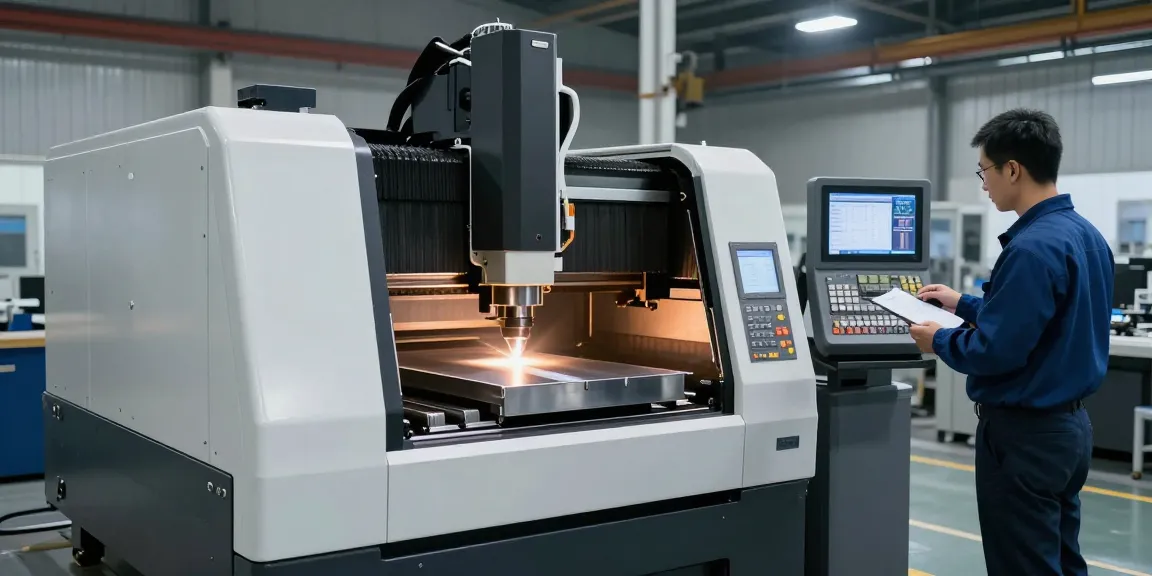
Understanding CNC Press Brake Machines
CNC press brake machines are essential tools in the fabrication of metal components, especially for manufacturing industries that depend on precision bending of sheets. These machines utilize computer numerical control (CNC) technology, combining advanced software with hydraulic operations to ensure accurate shaping of various materials such as steel, aluminum, and copper. The increasing demand for efficiency and precision in production processes has given rise to sophisticated CNC press brake technologies, making them a cornerstone of modern manufacturing. When exploring options, cnc press brake machine configurations offer a range of functionalities that cater to diverse industrial needs.
What is a CNC Press Brake Machine?
A CNC press brake machine is a versatile piece of equipment used to bend, shape, and form metal sheets into various profiles. It operates by pressing a metal sheet between a punch and a die, with the bending angle and depth being determined by the CNC system controlling the ram’s position. This modern setup allows for high accuracy and the ability to replicate complex shapes consistently across multiple batches.
Key Features and Components
Several critical components form the backbone of a CNC press brake machine, enhancing its functionality and efficiency:
- Electro-Hydraulic Proportional Valve: This component ensures precise control of hydraulic pressure during the bending process to achieve desired angles.
- CNC Controller: The controller, typically such as the ESA-S630 model, manages the operational parameters, allowing for multi-axis control of the bending process.
- Backgauge System: This feature positions the metal sheet accurately along the length of the machine for precise cuts and folds.
- Table Crowning: A mechanism to compensate for any deflection that may occur on the work table, enhancing the accuracy of the bend.
- Safety Features: Integrated protection mechanisms, such as light curtains and safety doors, ensure operator safety during the working process.
Benefits of Using CNC Technology
The integration of CNC technology in press brakes brings forth several advantages, including:
- Increased Precision: CNC press brakes have a positional accuracy of ± 0.01mm, which conventional machines cannot achieve.
- Enhanced Efficiency: Automated processes reduce human error and speed up production times.
- Flexible Programming: Modern CNC systems allow for the easy modification of bending programs, adapting to a vast range of products without the need for extensive downtime or setup changes.
Configuration Options for CNC Press Brakes
Standard and Optional Axes Configurations
CNC press brakes come with various configurations to meet specific operational requirements. The standard setup often includes a 4+1 axis configuration, which allows for the control of the Y1 and Y2 axes for ram movement, the X axis for the backgauge adjustments, the R axis for vertical positioning, and the V axis for table crowning. Advanced models offer optional configurations such as 6+1 and 8+1 axes, providing greater versatility for complex bending tasks.
Advanced Control Systems Like ESA S630
Control systems such as the ESA S630 enhance the automation capabilities of CNC press brakes. This system can manage multiple axes and includes features for data and graphic programming to facilitate complex operations. The user interface is designed for efficiency, featuring a 10-inch color touchscreen that enables operators to visualize and adjust bending parameters easily.
Customizing Machine Setups for Different Industries
Custom configurations are critical for industries requiring specific bending attributes and tolerances. Machines can be tailored for various applications such as automotive component manufacturing, aerospace parts fabrication, and heavy machinery parts development. This customization might involve selecting special tooling setups, adjusting pressure settings, or integrating additional safety features depending on the user’s operational needs.
Applications of CNC Press Brake Machines
Industries That Utilize CNC Press Brakes
CNC press brake machines find applications in numerous industries that depend heavily on precision metal forming. Key sectors include:
- Automotive: Producing frames and body components with precise bends.
- Aerospace: Fabricating lightweight and high-strength parts that ensure flight safety.
- Construction: Manufacturing structural components, such as beams and panels for buildings.
- Electronics: Creating enclosures and mounting brackets for electronic devices.
Common Metal Bending Techniques
Common techniques utilized in CNC press brakes include:
- Air Bending: This method involves bending without the die touching the material, allowing for flexible angle adjustment.
- Bottoming: A process where the material undergoes a more precise bending angle, with the punch and die touching the metal surface.
- Coining: This method applies a high amount of force to achieve precise bends and is used for thick materials.
Case Studies of Successful Implementations
Industries such as automotive manufacturing and customized metalwork have reported significant improvements in productivity and accuracy after adapting CNC press brake machines. These implementations often lead to a reduction in material wastage and an increase in production speed, showcasing the tangible benefits of investing in modern bending technology.
Choosing the Right CNC Press Brake Machine
Factors to Consider When Purchasing
Choosing the right CNC press brake machine requires careful evaluation of various factors, including:
- Capacity Requirements: Identify the types of materials and thicknesses you will be working with, along with the maximum bending lengths.
- Technological Features: Assess the machine’s programming capabilities, safety features, and overall compatibility with automation processes.
- After-Sale Support: Consider the manufacturer’s reputation regarding service and parts availability, which can significantly impact operational continuity.
Budgeting for Your CNC Press Brake
When budgeting for a CNC press brake, take into account not only the purchase price—typically ranging from $20,000 to $45,000—but also the costs associated with installation, training, maintenance, and necessary tooling. Evaluating total cost of ownership will provide insights into long-term viability.
Evaluating Manufacturer Reputation and Support
Long-standing manufacturers with a track record of reliability are preferable when investing in CNC bending technology. Researching customer testimonials, industry reviews, and case studies can help in selecting a manufacturer that aligns with your business goals and operational needs.
Future Trends in CNC Press Brake Technology
Emerging Technologies in Automation and Robotics
The ongoing evolution of CNC technology increasingly incorporates automation and robotics, significantly transforming operational processes. This transition enhances efficiency and reduces labor costs. An example includes the integration of robotic arms with CNC press brakes, allowing for autonomous handling and increased production rates.
Sustainability Practices in CNC Manufacturing
The future of CNC press brake technology will also pivot towards sustainability, focusing on reducing energy consumption. Eco-friendly CNC press brakes that employ hybrid servo motors are already gaining traction. These innovations help in cutting down energy usage while maintaining high performance during metal bending operations.
Predictions for the Market and Innovation in 2026
As we progress towards 2026, we can expect significant advancements in smart manufacturing technologies. This landscape will be characterized by enhanced connectivity, real-time data analysis, and machine learning applications that optimize performance while minimizing waste. These developments will cater to an increasingly demanding market that values both efficiency and ecological responsibility.
FAQs about CNC Press Brake Machines
How do I maintain a CNC press brake machine?
Regular maintenance of CNC press brakes is critical for optimal performance. Key practices include timely checks on hydraulic fluid levels, regular cleaning of components, and ensuring that all software is up to date. Operators should also conduct routine inspections of electrical systems and safety features to enhance reliability.
What materials can be processed with CNC press brakes?
CNC press brakes are capable of bending a wide range of metal materials such as steel, aluminum, copper, and titanium. Material thickness and type can influence the choice of tooling and machine settings.
Are there any safety protocols to follow when operating CNC machines?
Safety protocols for CNC machines include ensuring that all guards and safety devices are operational, training operators thoroughly in machine setup and operation, and establishing clear procedures for emergency situations. Regular safety audits can help reinforce these measures and maintain a safer workflow.